Two exchanges: London and Milan
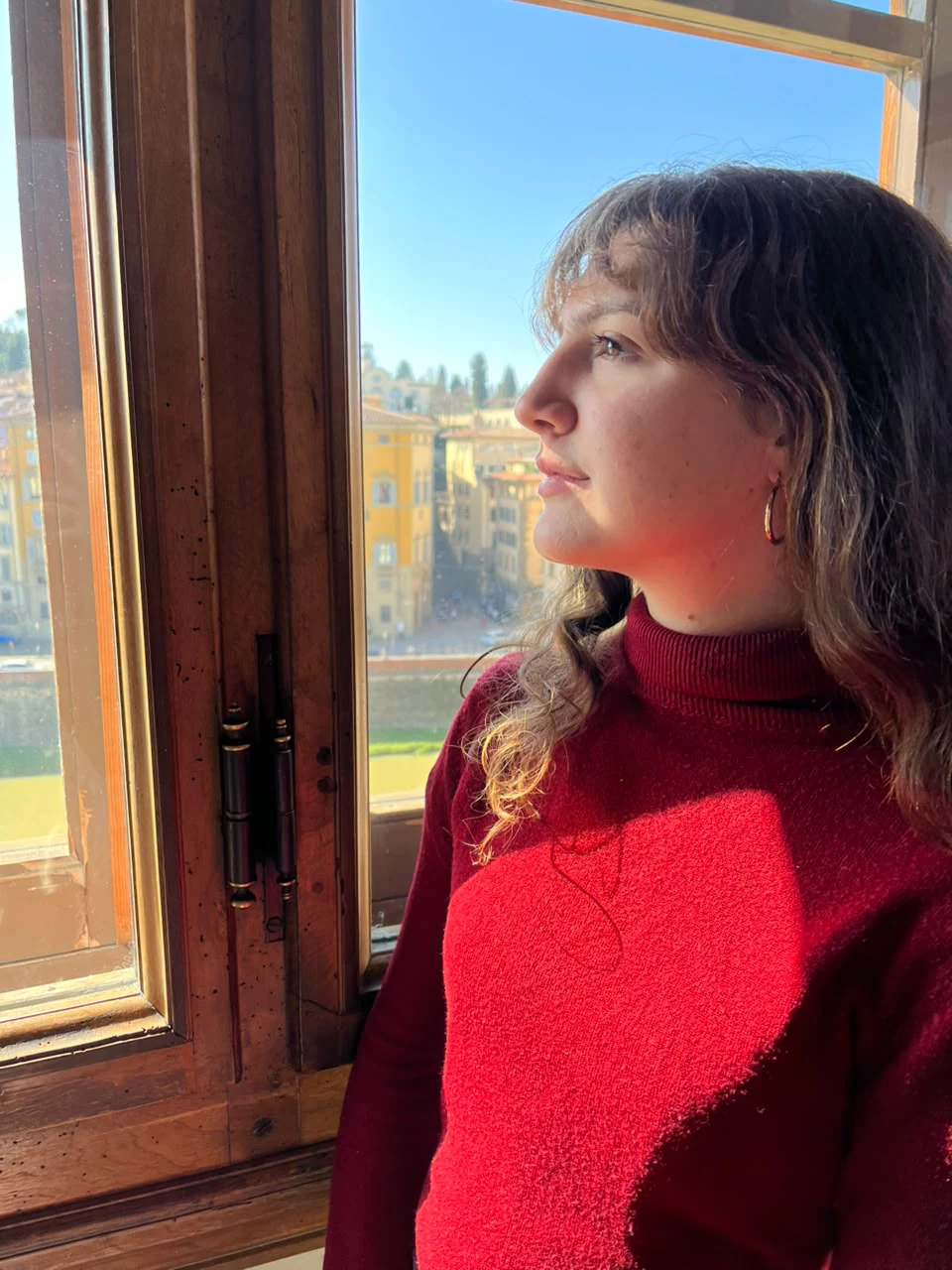
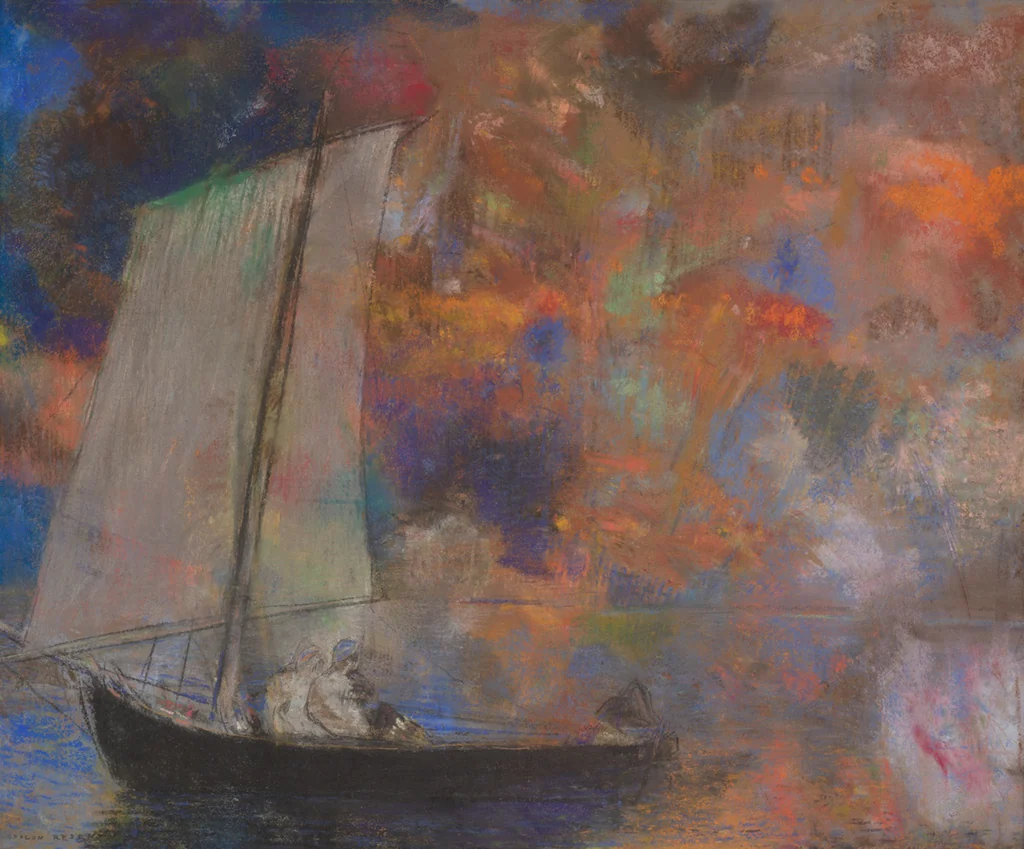
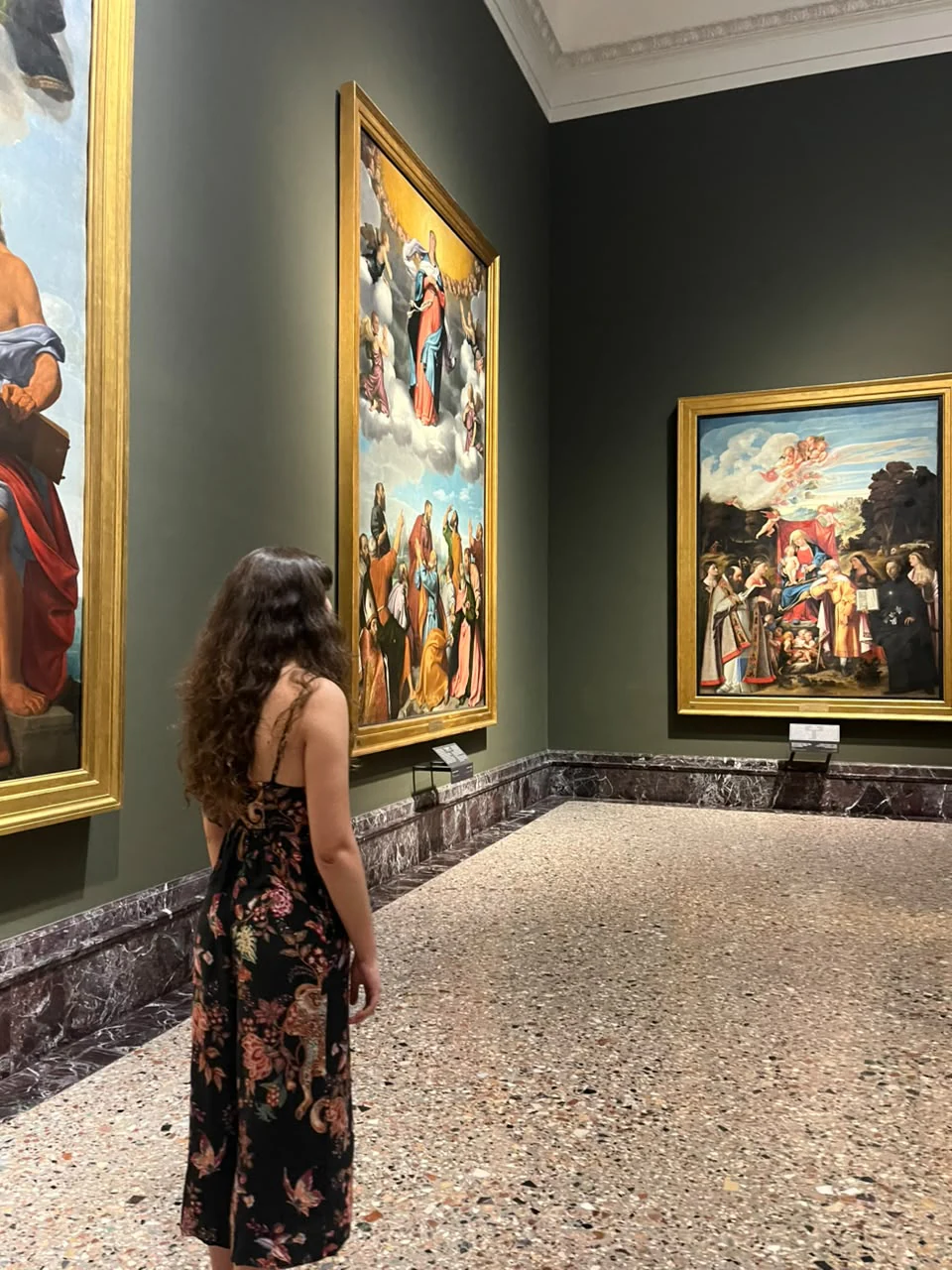
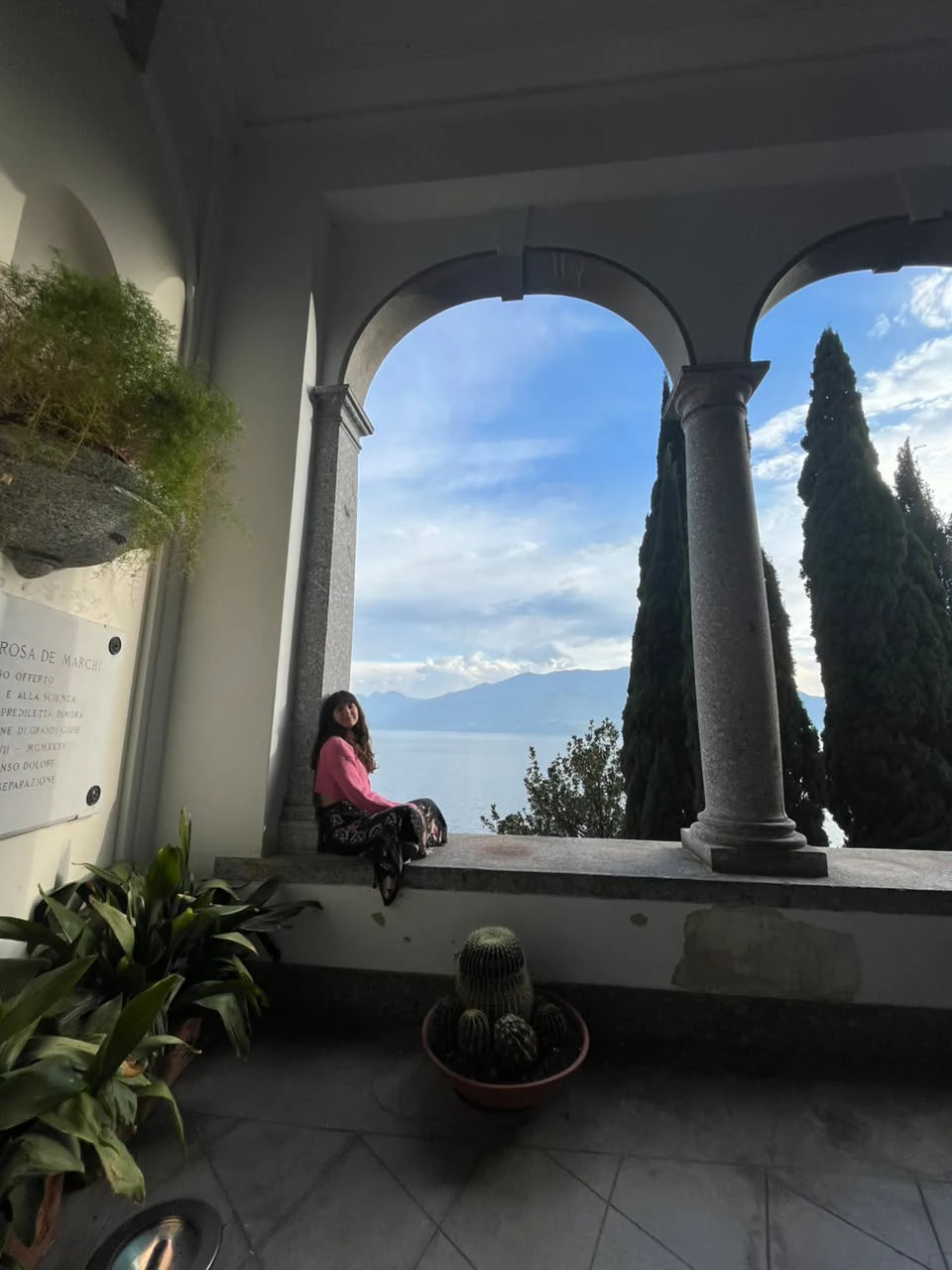
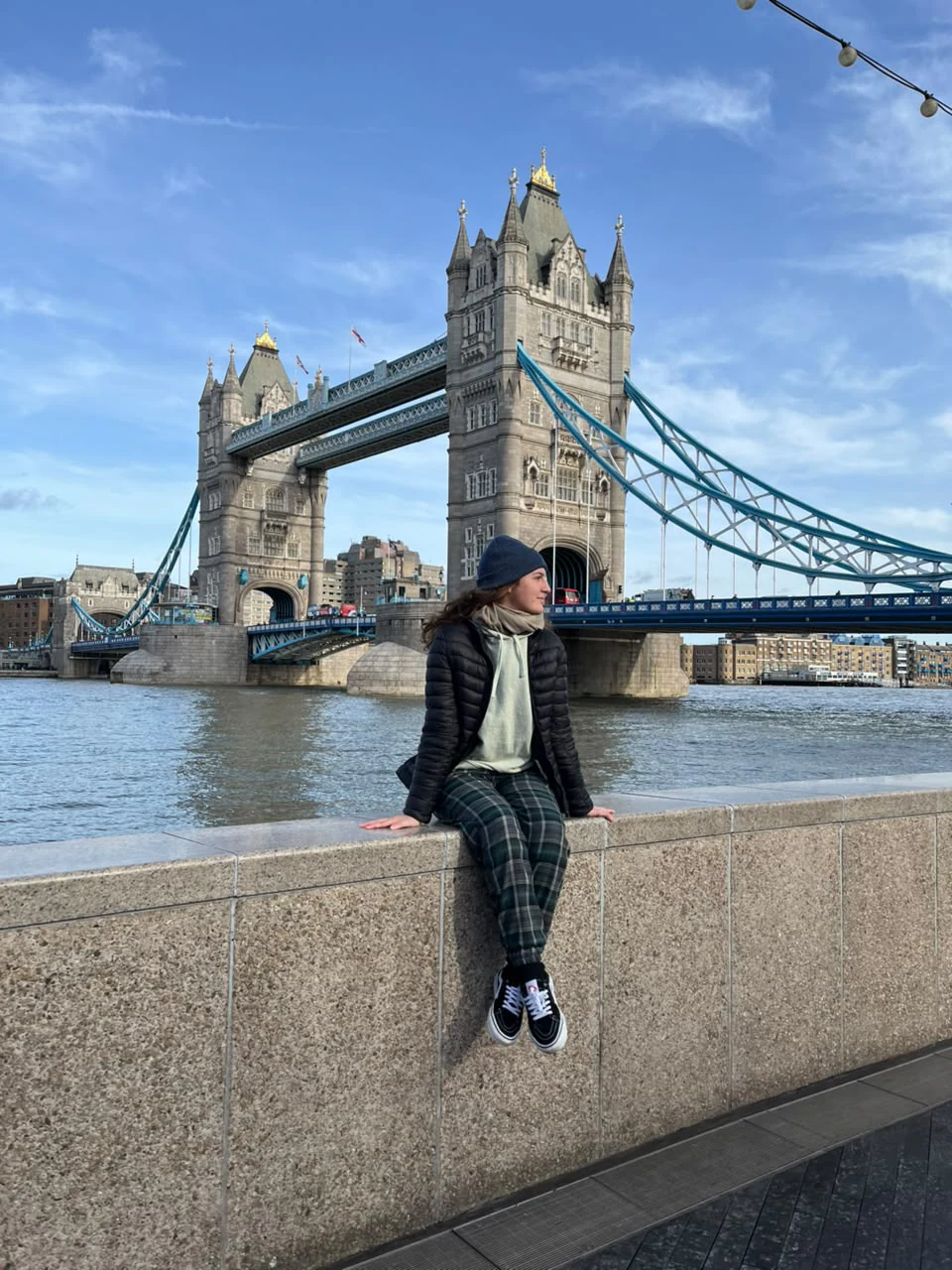
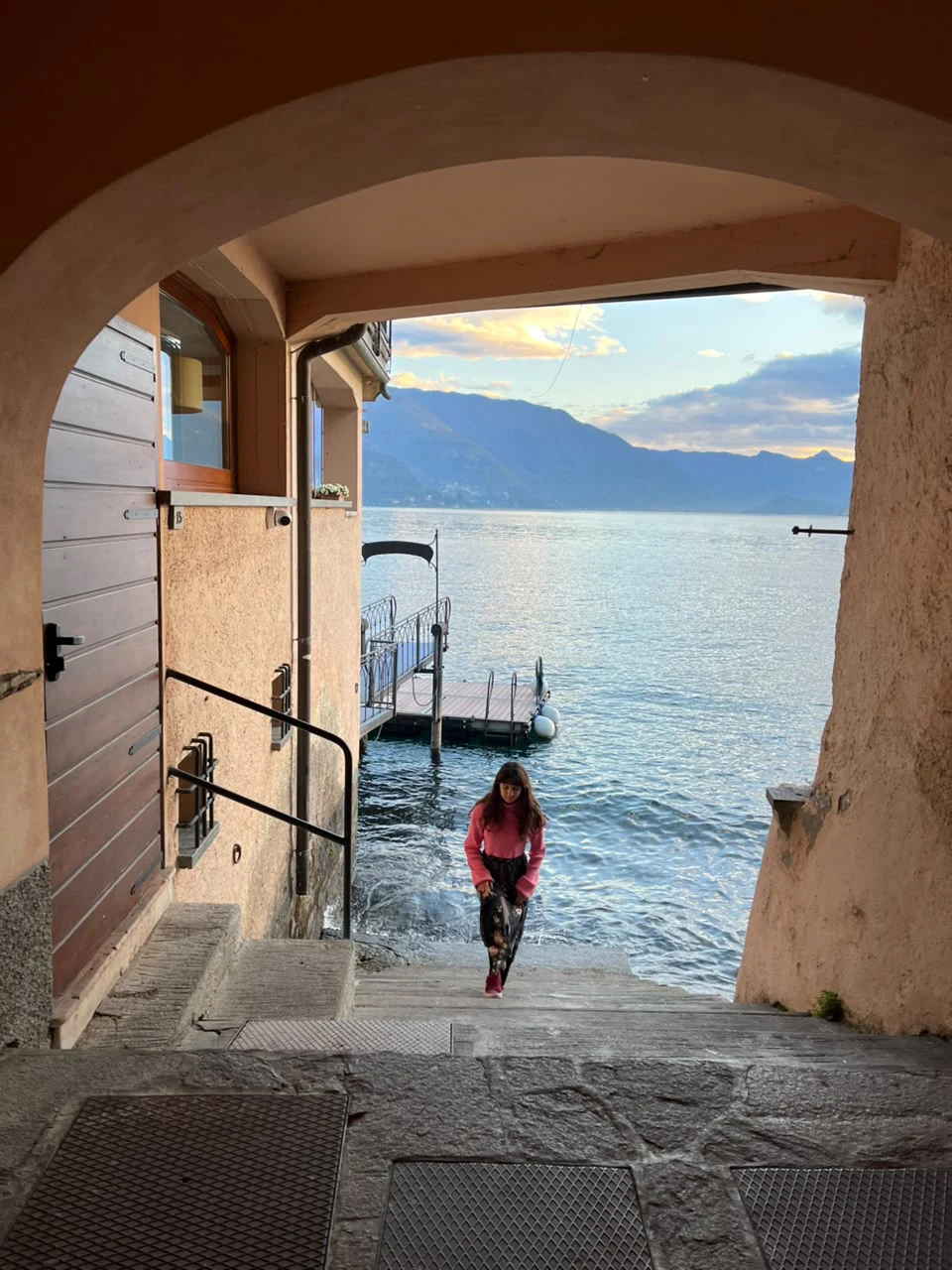
London, 2019/2020, to study English. Milan, 2023, a semester at the Università Cattolica del Sacro Cuore.
Psychologist · CRP 06/214718
Online psychotherapy, in English and Portuguese, for people anywhere in the world, grounded in C. G. Jung’s Analytical Psychology. A place to look carefully at what appears on the surface and at what speaks through images.
The other side
Dreams, myths and fairy tales. Books lying around, records, independent film, art and travel. The imagination that accompanies the one who listens, and that also has a place in the clinic.
Psychology, culture, images and the stories that make us who we are. This is where listening begins.
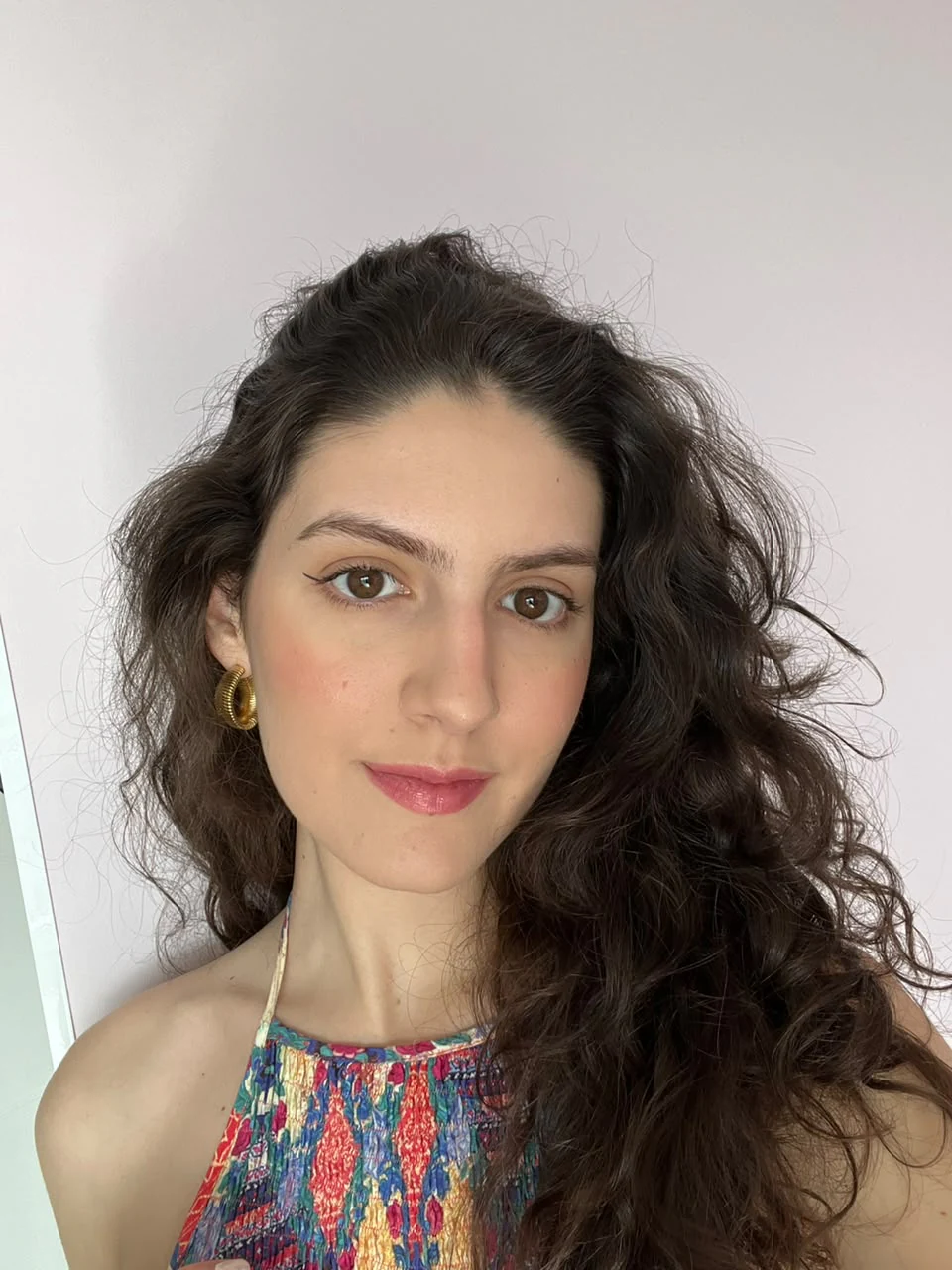
Psychologist trained at PUC-SP, specialist in Hospital Psychology at Hospital das Clínicas (University of São Paulo Medical School) and a student of Analytical Psychology.
She works with children, adolescents, adults and older adults. Along the way she has worked in a hospital, a school, institutions and groups, and each place taught a way of listening.
What lives on this side
Psychology, art, literature, film, music, dreams, symbols, travel and everyday life.
A magazine with no fixed schedule, a room with yellowish light, a record shop with the music turned up. The other side is made of the things that spark curiosity and the wish to stay.
The Red Book, in which Jung recorded his inner images from 1913 onwards, is the central reference for this side of the site. Its paintings are not shown here because they are still under copyright: the works below come from open collections, and some of them (the alchemical images and the mandala) come from the very sources Jung studied.
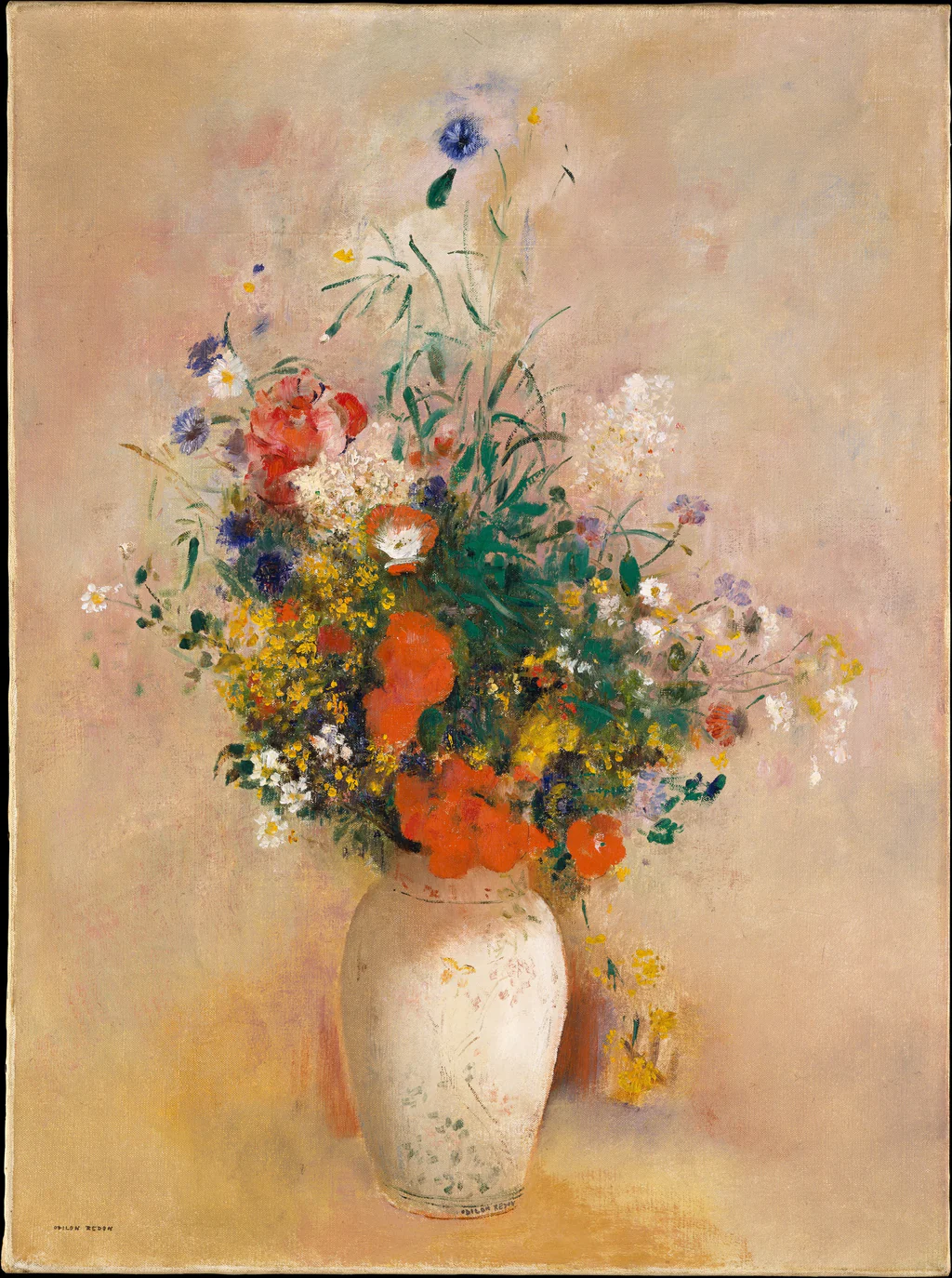
For Jung, the dream is a spontaneous expression of the unconscious: less a disguise to be decoded, more an image to be listened to.
Odilon Redon, Vase of Flowers (Pink Background) (c. 1906). The Metropolitan Museum of Art, CC0.
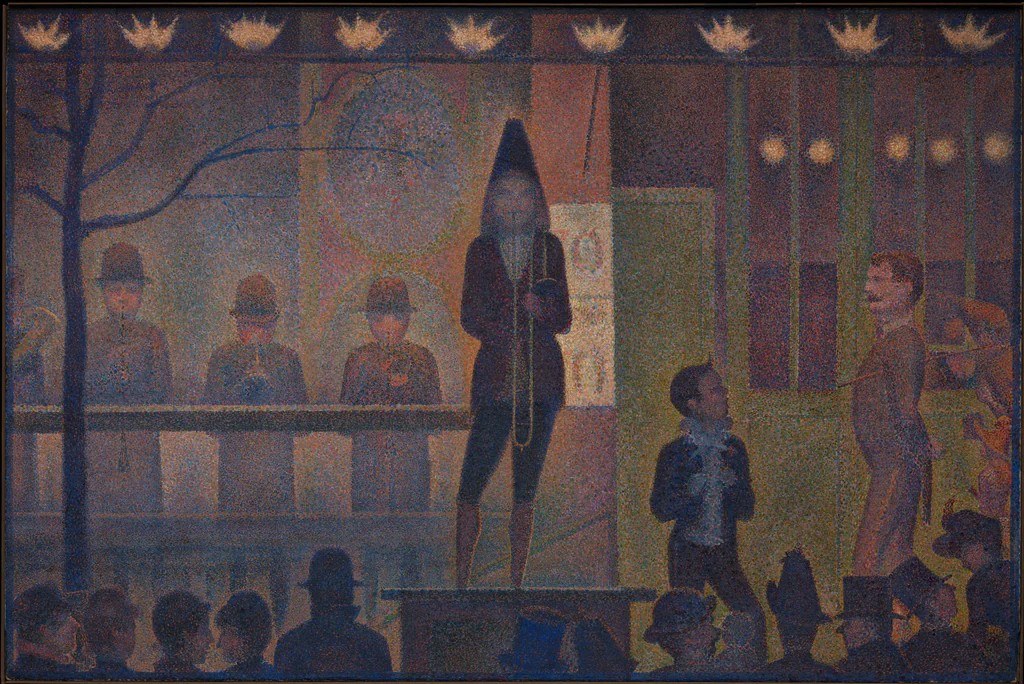
The shadow gathers what we do not recognise in ourselves. What is denied does not disappear: it tends to return, sometimes where we least expect it, like the figures in the half-light of a show.
Georges Seurat, Circus Sideshow (Parade de cirque) (1887–88). The Metropolitan Museum of Art, CC0.
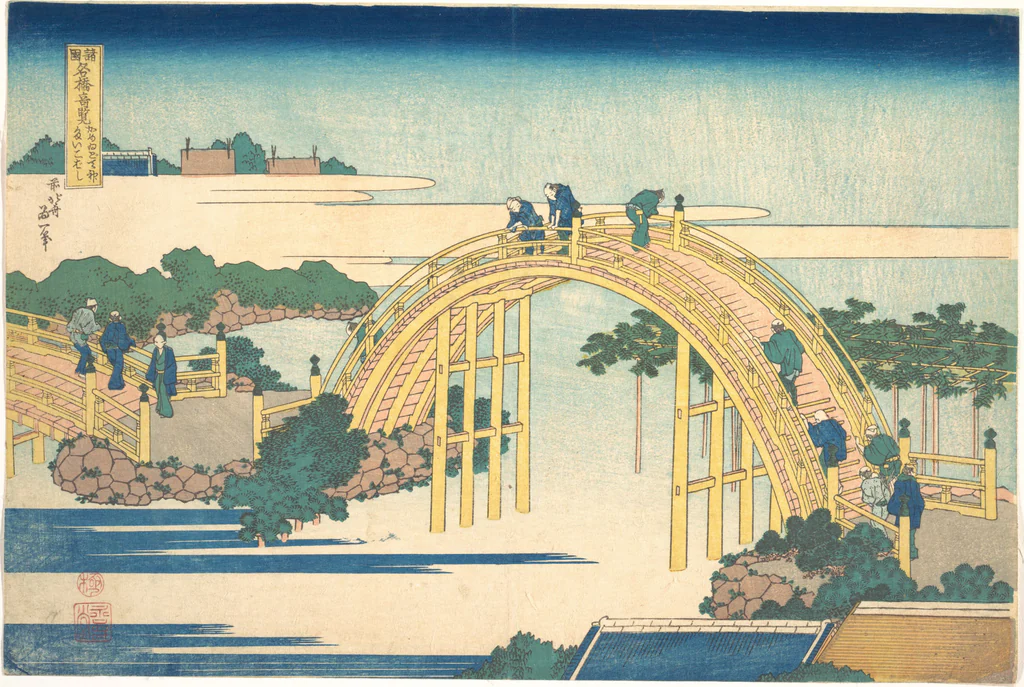
Every transformation asks for a passage, like a bridge over water: something is left behind so that something else can begin.
Katsushika Hokusai, The Arched Bridge at Kameido Tenjin Shrine, from the series Remarkable Views of Bridges in Various Provinces (c. 1830). The Metropolitan Museum of Art, CC0.
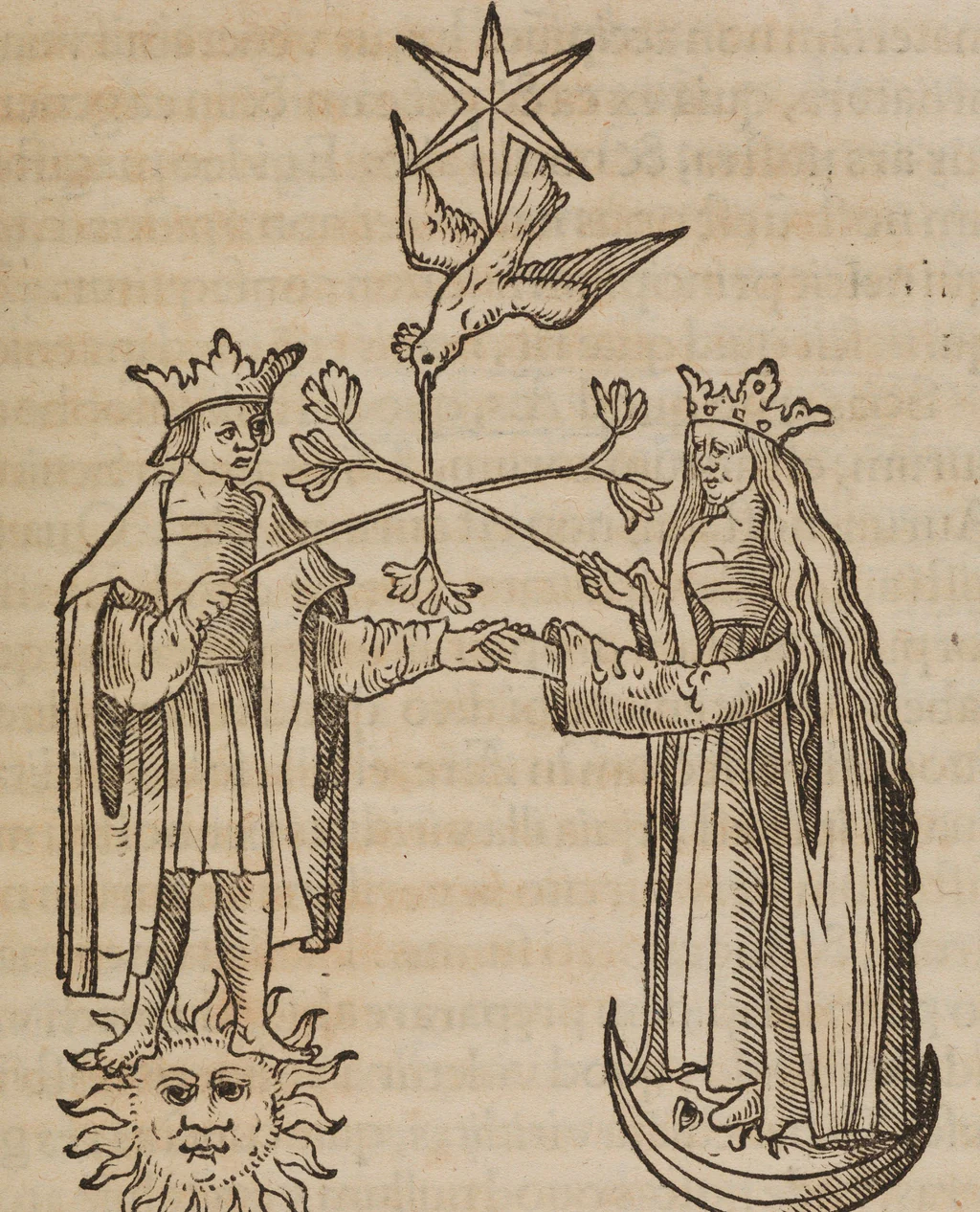
Jung studied these 1550 woodcuts in “The Psychology of the Transference” (1946). The king and the queen, the sun and the moon: opposites that meet without cancelling each other out.
Anonymous woodcut, The king and queen standing on the sun and moon, from the Rosarium philosophorum (1550). Wellcome Collection, CC BY 4.0.
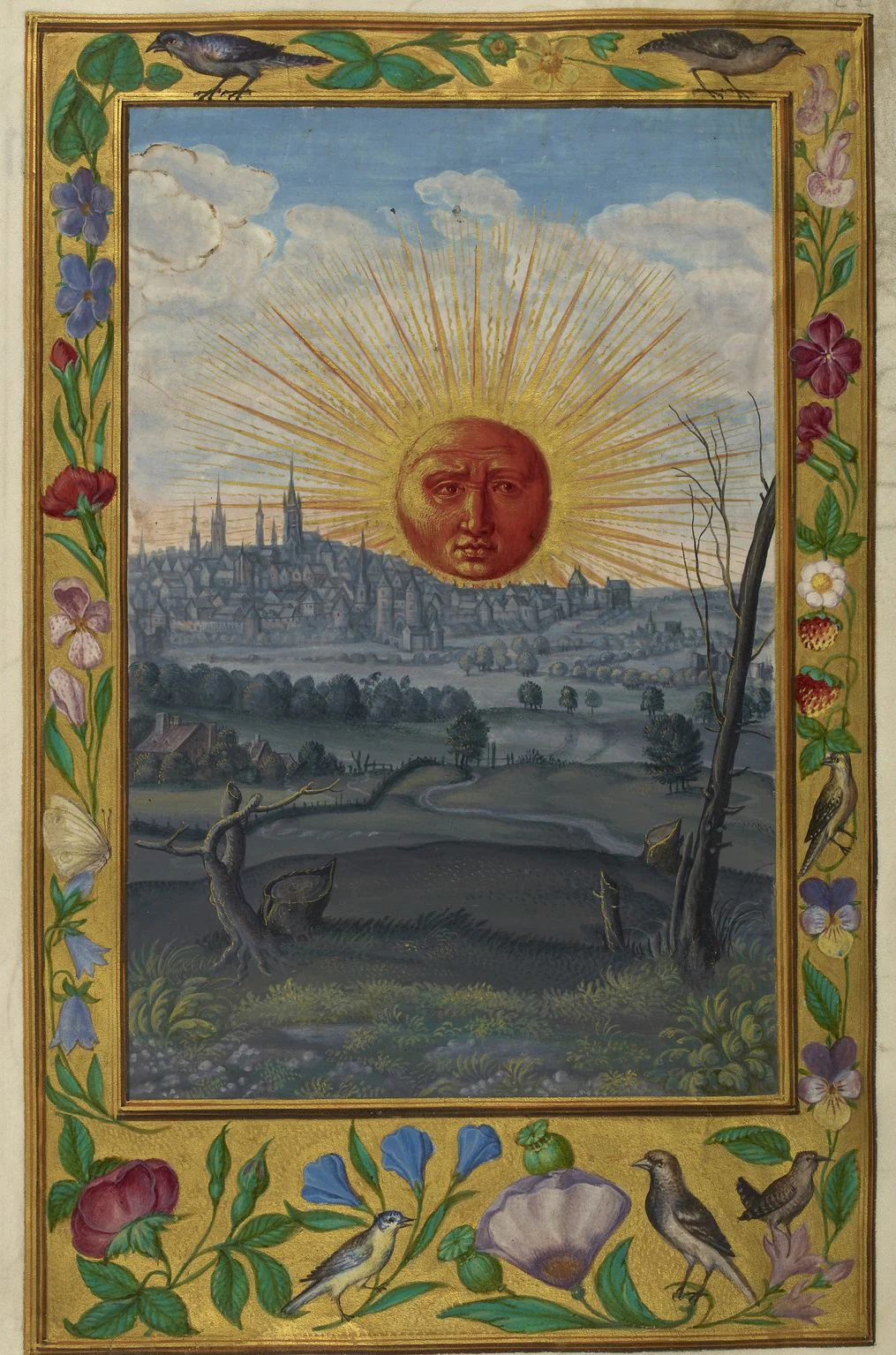
Jung read alchemy as a symbolic language of psychic transformation. After the night, a sun rising over the city.
Anonymous illumination, The rising sun, from the Splendor Solis (f. 33v) (1582). British Library, Harley MS 3469, CC0.
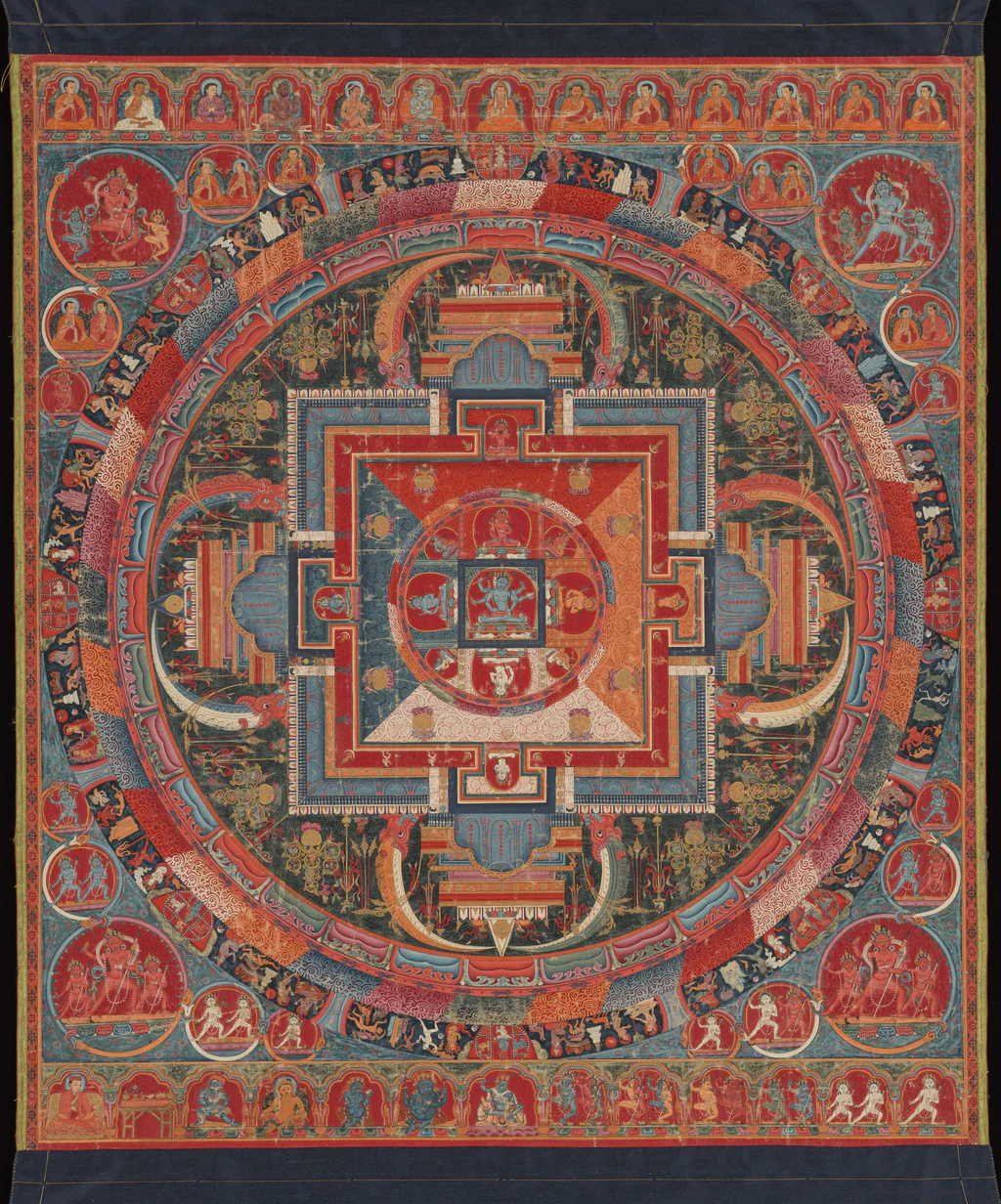
Jung drew mandalas for years and recognised them in very distant cultures: circles that organise chaos around a centre, an image of what he called the Self.
Unknown artist, Tibet, Jnanadakini Mandala (late 14th century). The Metropolitan Museum of Art, CC0.
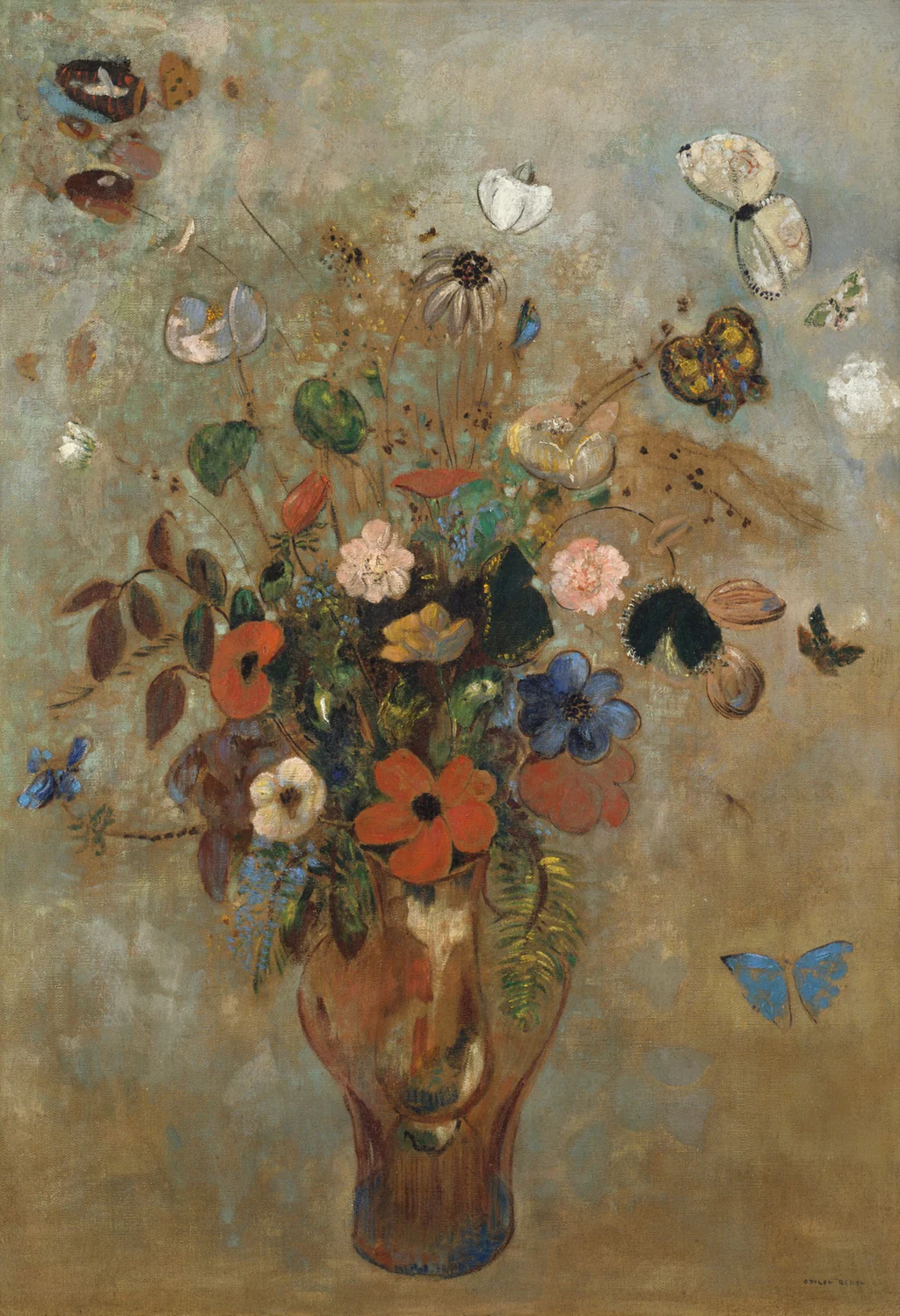
A cosy room with yellowish light, the smell of lavender and flowers scattered around. Piles of books, objects brought back from trips, photographs of loved ones and a playlist mixing the 80s with today’s artists.
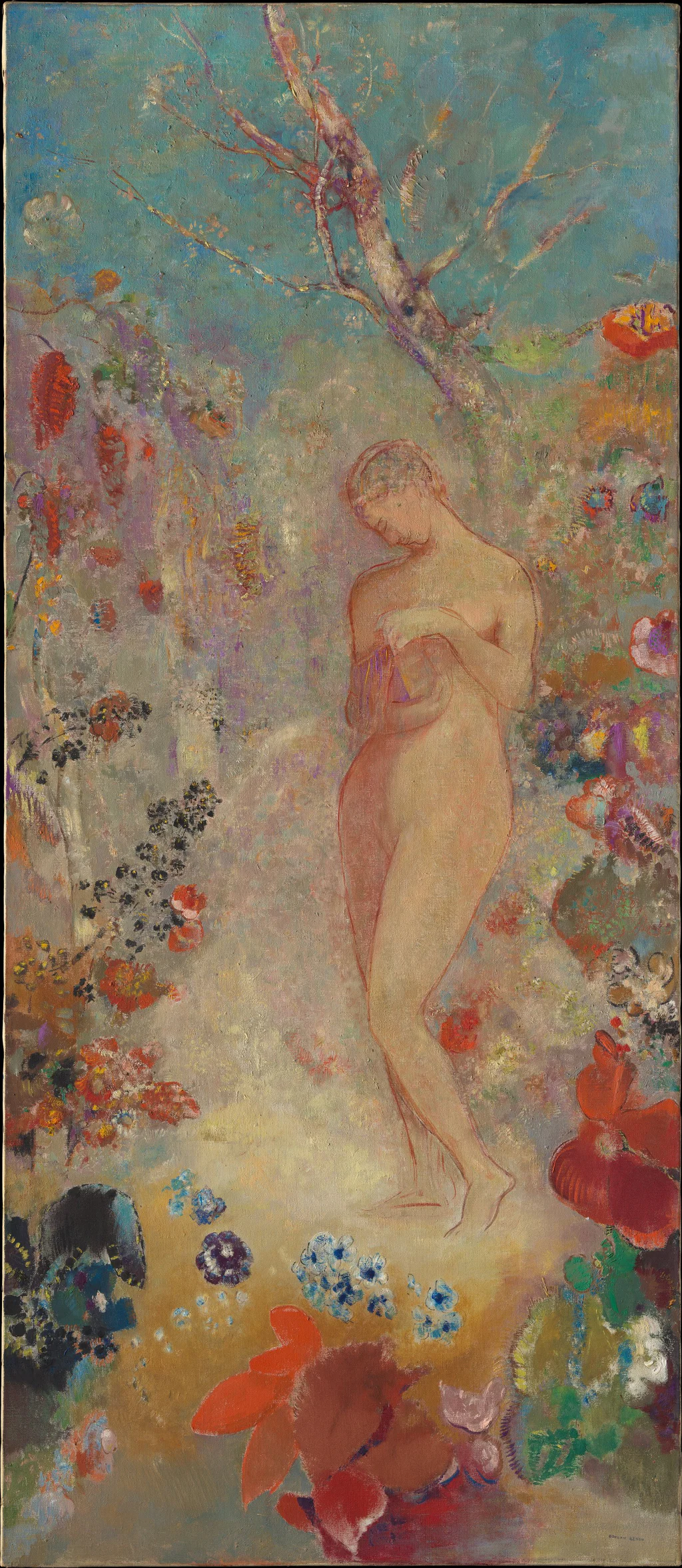
It would sell objects with a story: books on literature, psychology, mythology and philosophy, independent magazines, prints, notebooks and little things to pass the time, like clay, painting, lego and crochet.
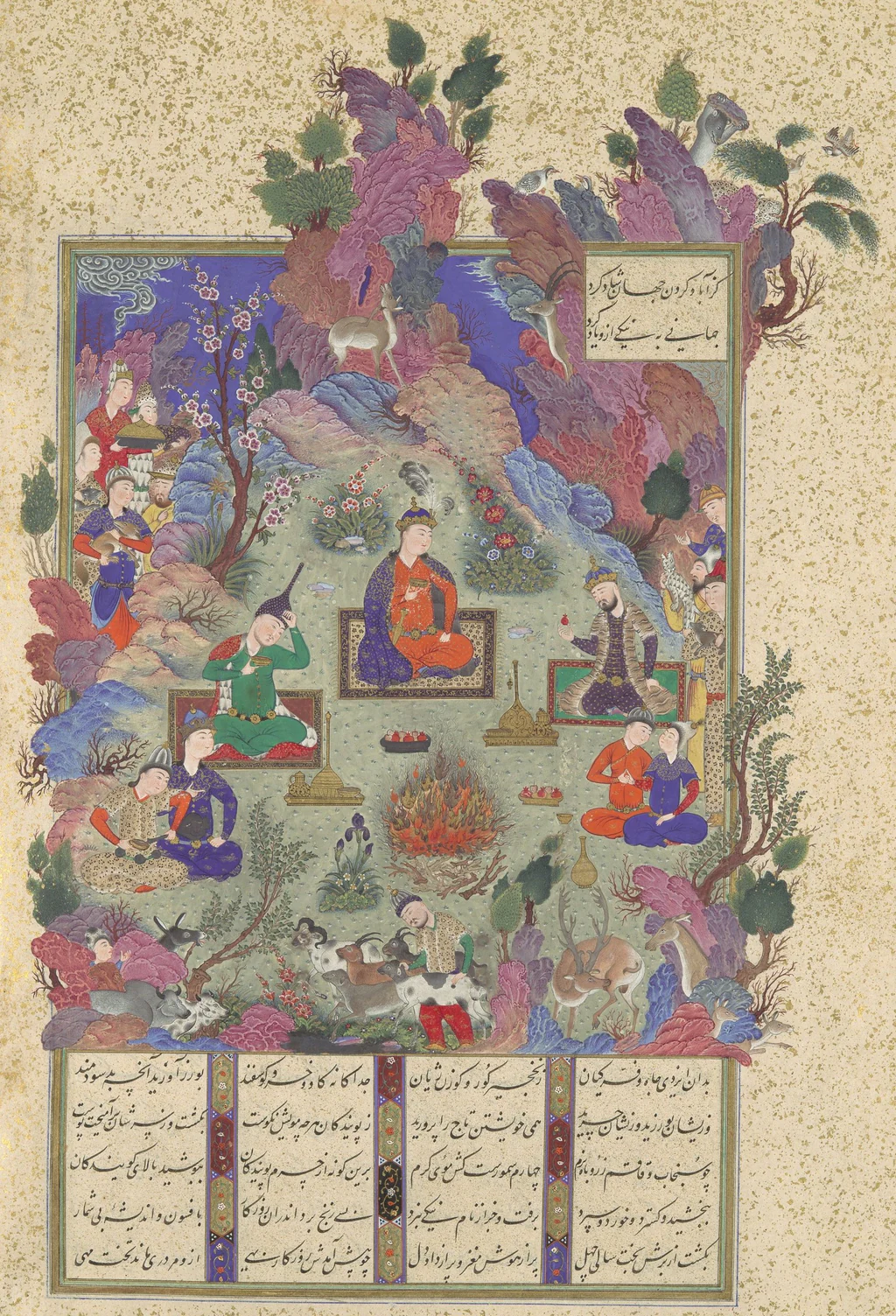
A world where princes, mermaids, fairies, kings and queens live alongside ordinary people, sons, daughters and families. The fantastic and the everyday side by side, with the atmosphere of an independent film.
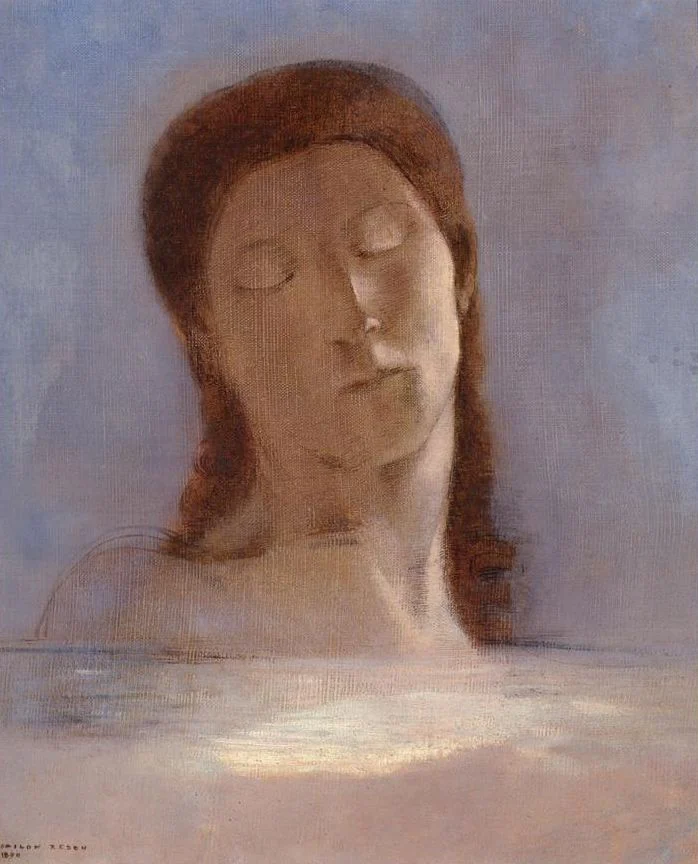
Walking into a record shop while a song you love is playing, really loud. Pleasure, nostalgia and the wish to stay.
London, 2019/2020, to study English. Milan, 2023, a semester at the Università Cattolica del Sacro Cuore.
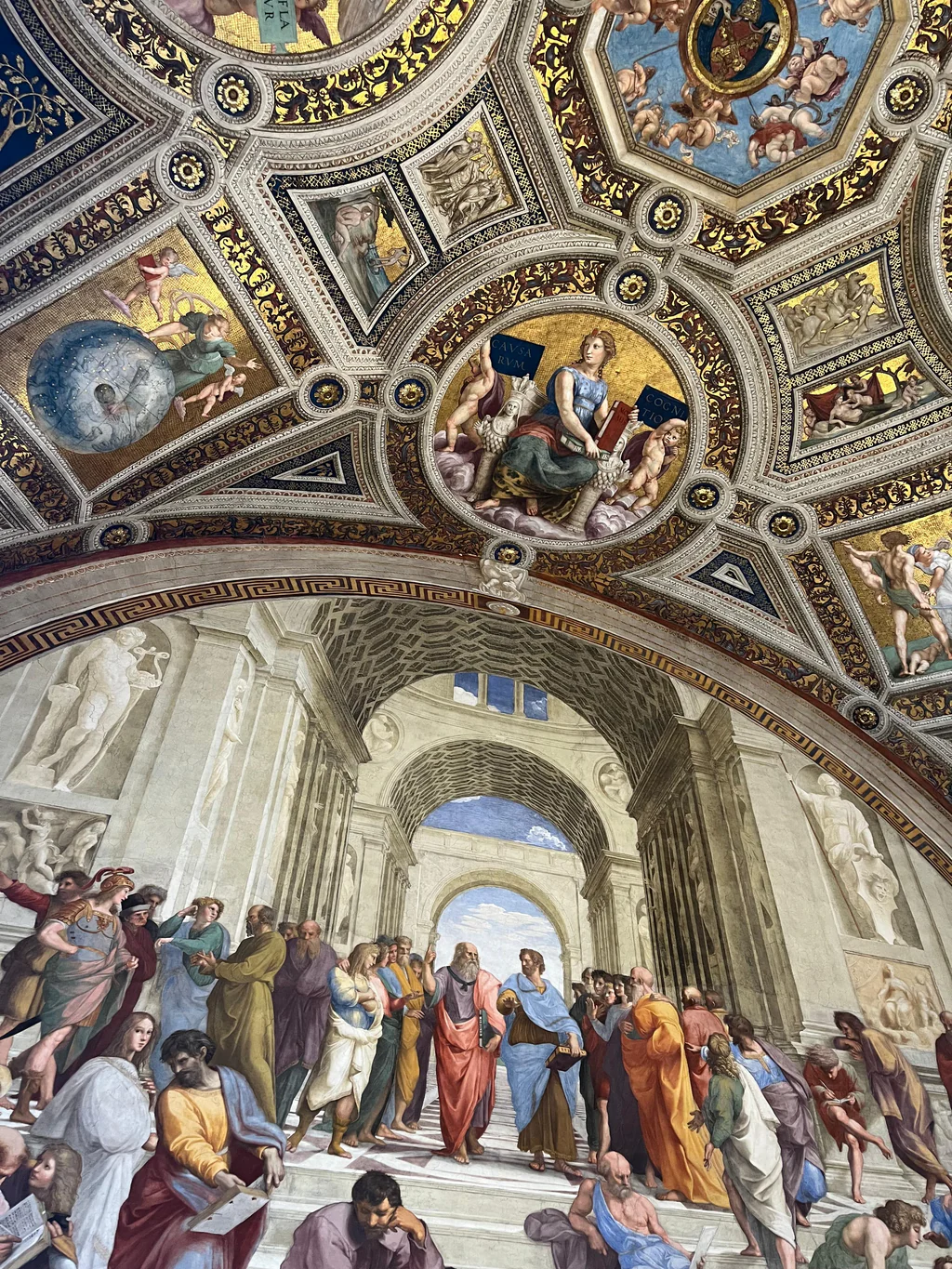
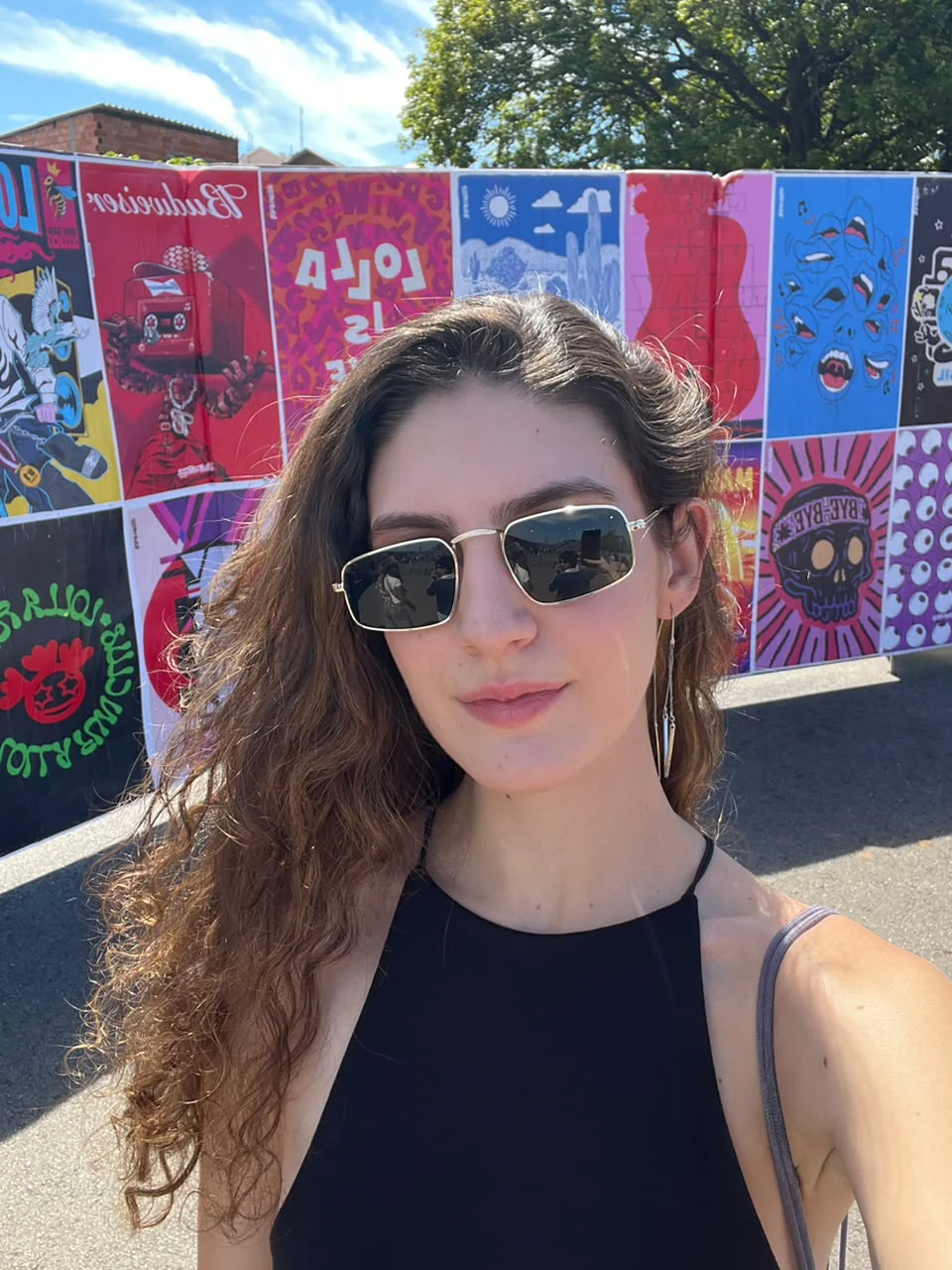
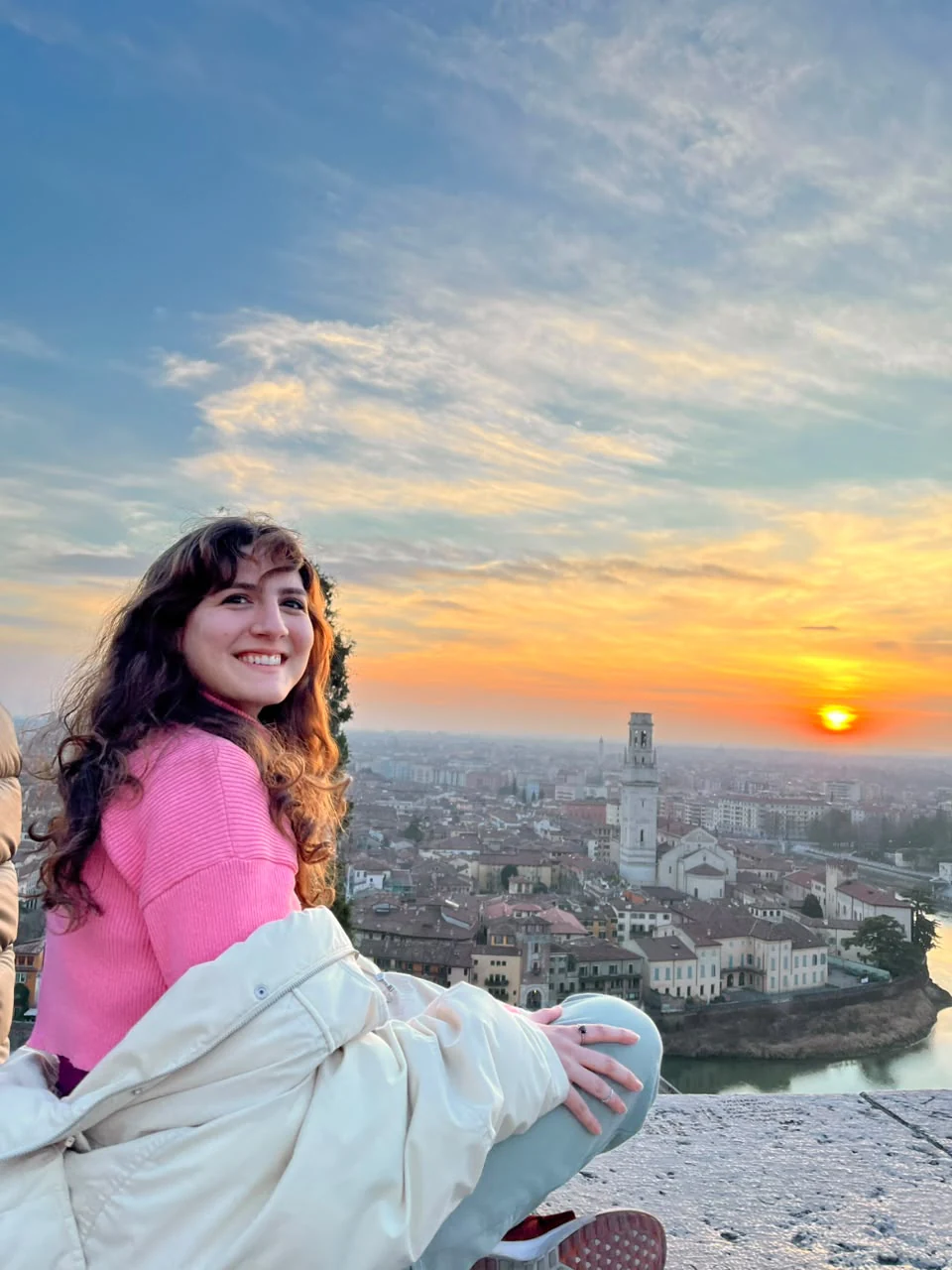
From England to Austria: the places that stayed with me, seen as if through an aeroplane window.

Red Hot Chili Peppers, Oasis, Amy Winehouse, Pink Floyd, ABBA and other records that are part of the repertoire.
Myths, tales, literature, music, film and art can come into therapy as bridges to what is hard to say directly. Always as an invitation, never as an obligation.