Research · Academic work
Where mythmeets the clinic
Two pieces of work, two territories: Hindu mythology and the hospital. What they share is the question of how symbolic images help us through experiences of transformation.
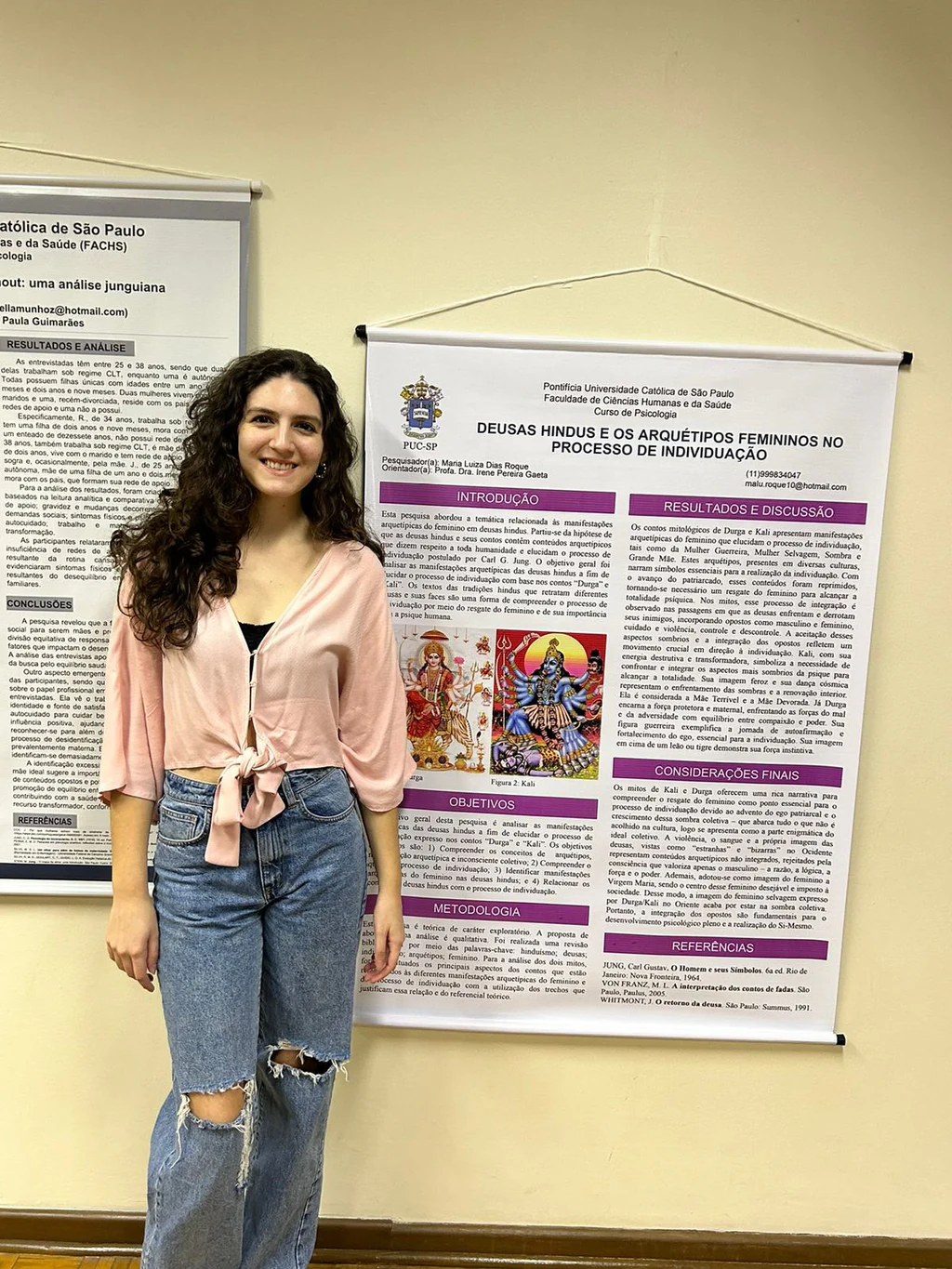
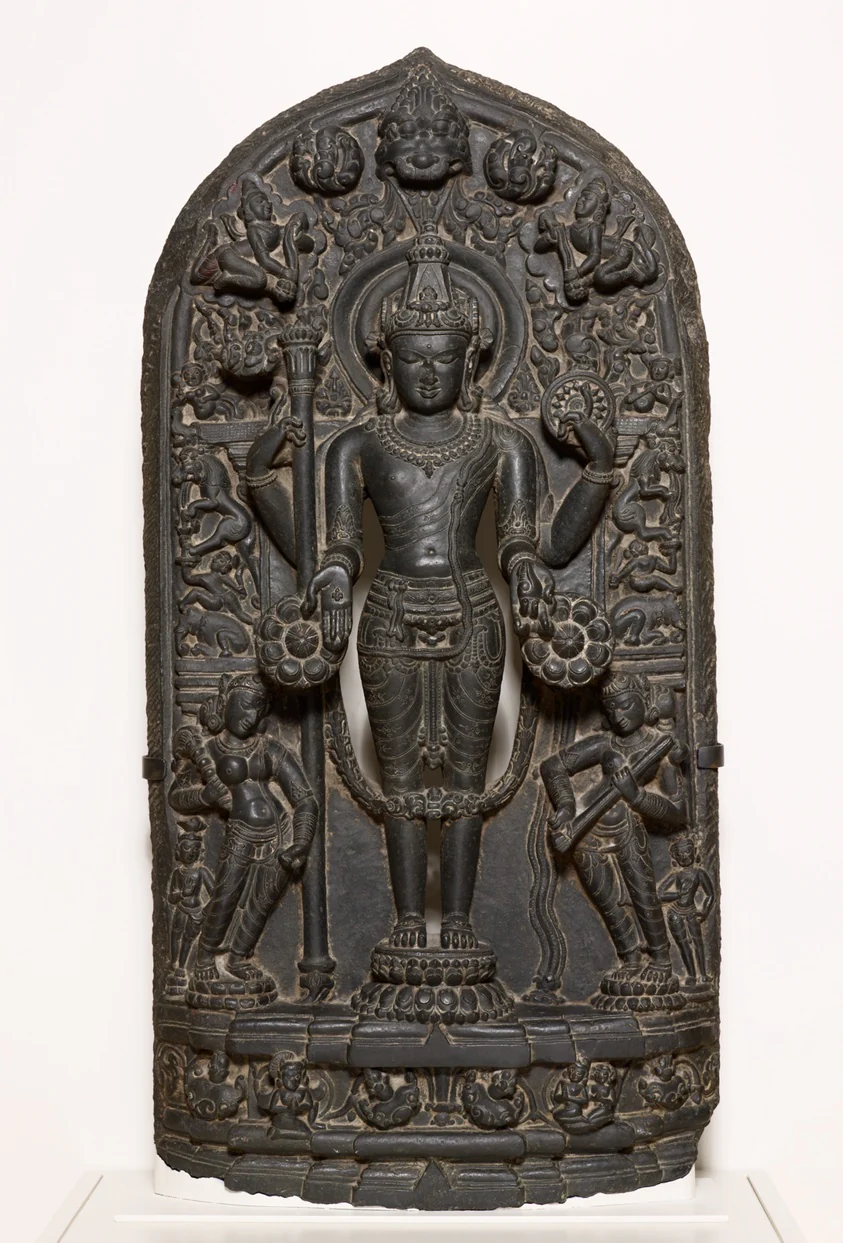
Hindu Goddesses and the Feminine Archetypes in the Individuation Process
- Authors
- Maria Luiza Dias Roque
- Institution
- Pontifical Catholic University of São Paulo (PUC-SP), Faculty of Human and Health Sciences, Psychology programme
- Supervisor
- Prof. Dr. Irene Pereira Gaeta
A theoretical, exploratory and qualitative study of the archetypal manifestations of the feminine in Hindu goddesses. Drawing on the tales “Durga” and “Kali”, it examines how these images help us understand the individuation process, and concludes that the two goddesses symbolically describe aspects of this human journey and the need to integrate the feminine in the psyche.
- Hinduism
- Goddesses
- Individuation
- Archetypes
- Feminine
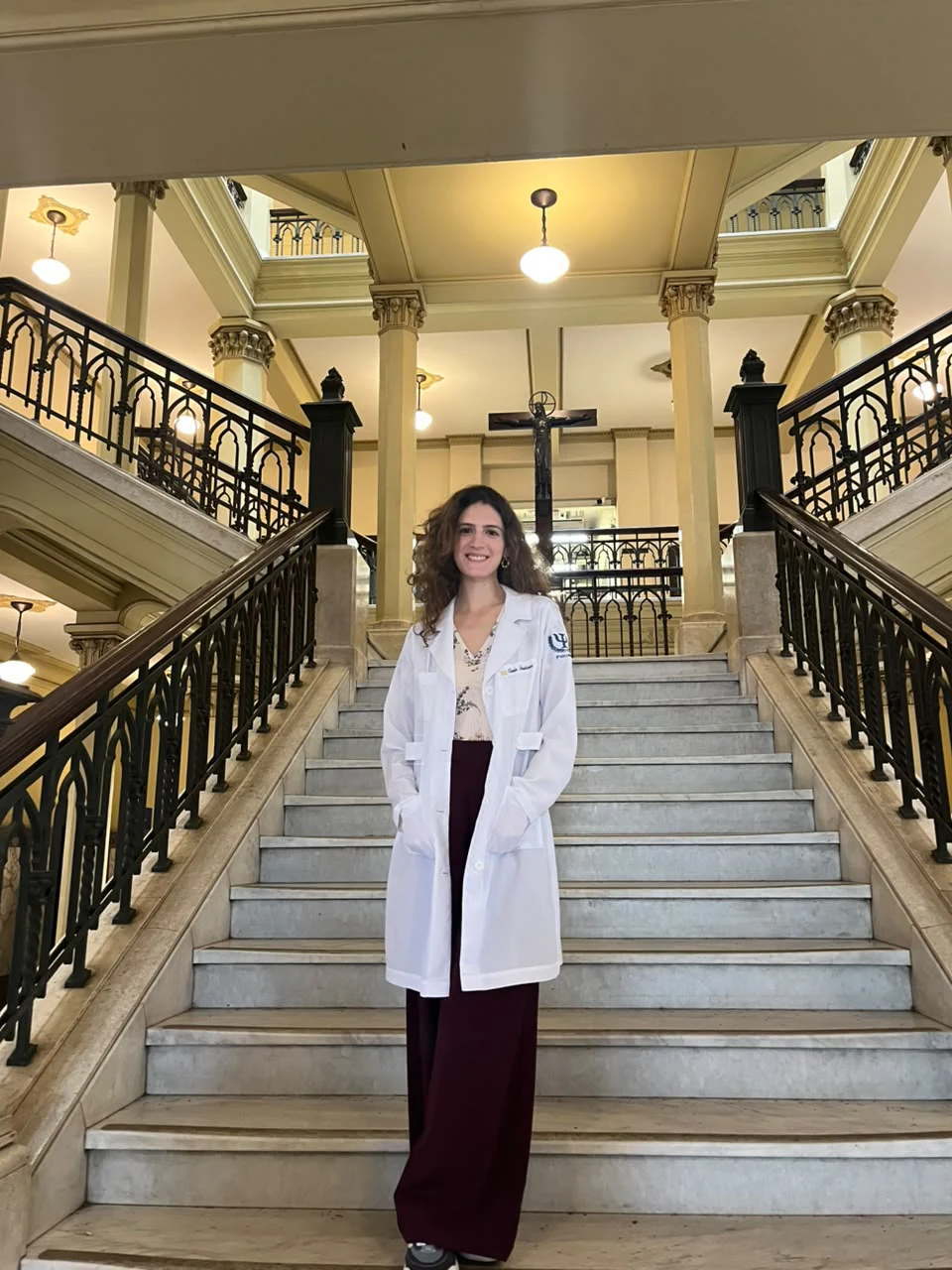
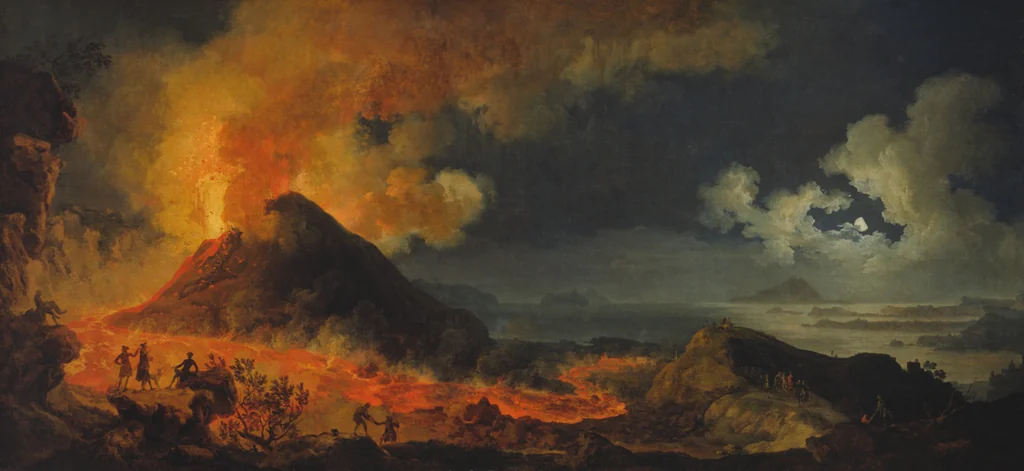
From the Volcano to the Warrior: symbolic manifestations after a kidney transplant
- Authors
- Giovana Gatto Nogueira, Maria Luiza Dias Roque and Marina Guimarães da Rocha
- Institution
- Hospital das Clínicas, University of São Paulo Medical School (HCFMUSP)
- Presentation
- 21st Scientific Meeting of the Lato Sensu Postgraduate Programme of the Psychology Division, HCFMUSP Central Institute, on 26 February 2026.
A qualitative case study, in the light of Analytical Psychology, based on seven bedside psychological sessions with a patient in prolonged hospitalisation after a kidney transplant. Using the method of symbolic amplification, the work follows three central symbols: the volcano (pent-up feelings seeking expression), the warrior (coping and regaining autonomy) and the lift (the ups and downs of recovery).
- Jungian theory
- Symbolism
- Hospital psychology
- Kidney transplant
- Psychosomatic medicine
The full text is not available online.
Meetings, seminars and conferences
- Feb. 2026Presentation of a monograph article at the 21st Scientific Meeting of the Postgraduate (Lato Sensu) ProgrammeHCFMUSP
- Sep. 2025Speaker at the Careers DayColégio João XXIII, São Paulo
- 2026Moitará 2026, Brazilian Society of Analytical Psychology (SBPA)Multidisciplinary gathering